
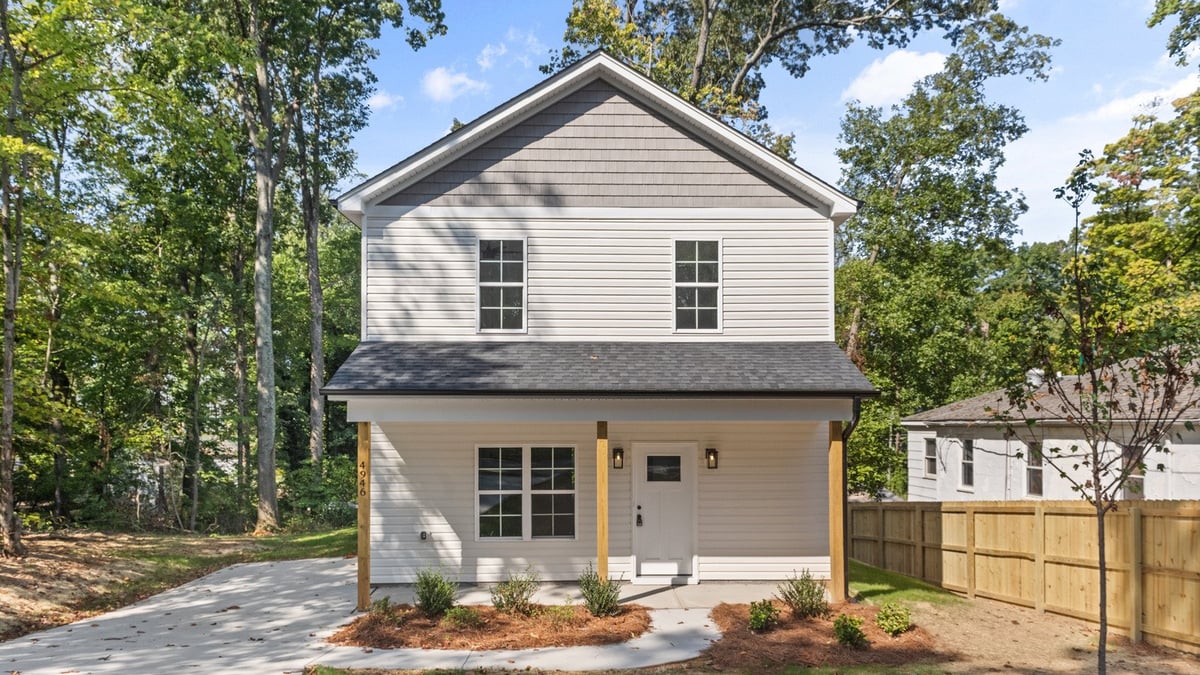
Before discussing finishes or square footage, I want to understand what an investor plans to do with the completed home. Holding it as a rental and selling it after construction place different demands on the project.
Both need a well-built home with a practical layout. The intended use helps determine where to spend, what to standardize, and which decisions need to be settled before construction begins.
Define the intended resident and market
For a rental, discuss the proposed home with a property manager familiar with comparable properties. Ask about layouts, parking, storage, maintenance concerns, and the features that matter to prospective residents. For a resale project, bring an agent into the conversation about competing homes, buyer expectations, and the proposed price position.
Use comparable properties carefully. A larger home, different location, or different finish level may produce an appealing number without providing a reliable comparison. The goal is to understand the property you are actually proposing.
Turn that market input into a written brief. Describe the people the home should serve, the features that matter to them, and the assumptions that still need testing. Keep the agent or property manager involved when a design change could alter that position. The builder can then review a defined product rather than a list of unrelated preferences.
Rental decisions extend beyond move in
An owner holding a home will live with maintenance and replacement decisions. When choosing flooring, cabinets, fixtures, and equipment, consider how they will be cleaned, serviced, and replaced. Ask whether parts and matching materials are reasonably available.
Consistency can help across a portfolio. Using a manageable selection of finishes may simplify future purchasing and repairs. That still leaves room to adapt the home to its site and intended market.
Look beyond the finish sample. Ask how a surface will be cleaned, how an individual damaged component could be replaced, and whether the selection can be identified later. Recording product information at handoff gives an owner a more useful starting point for future maintenance than relying on a photograph or a remembered color name.
Resident usability matters as well. Storage, laundry access, furniture placement, and sensible circulation deserve attention. A home can have the desired bedroom count and still feel awkward if everyday tasks were overlooked during design.
Resale decisions need a clear price position
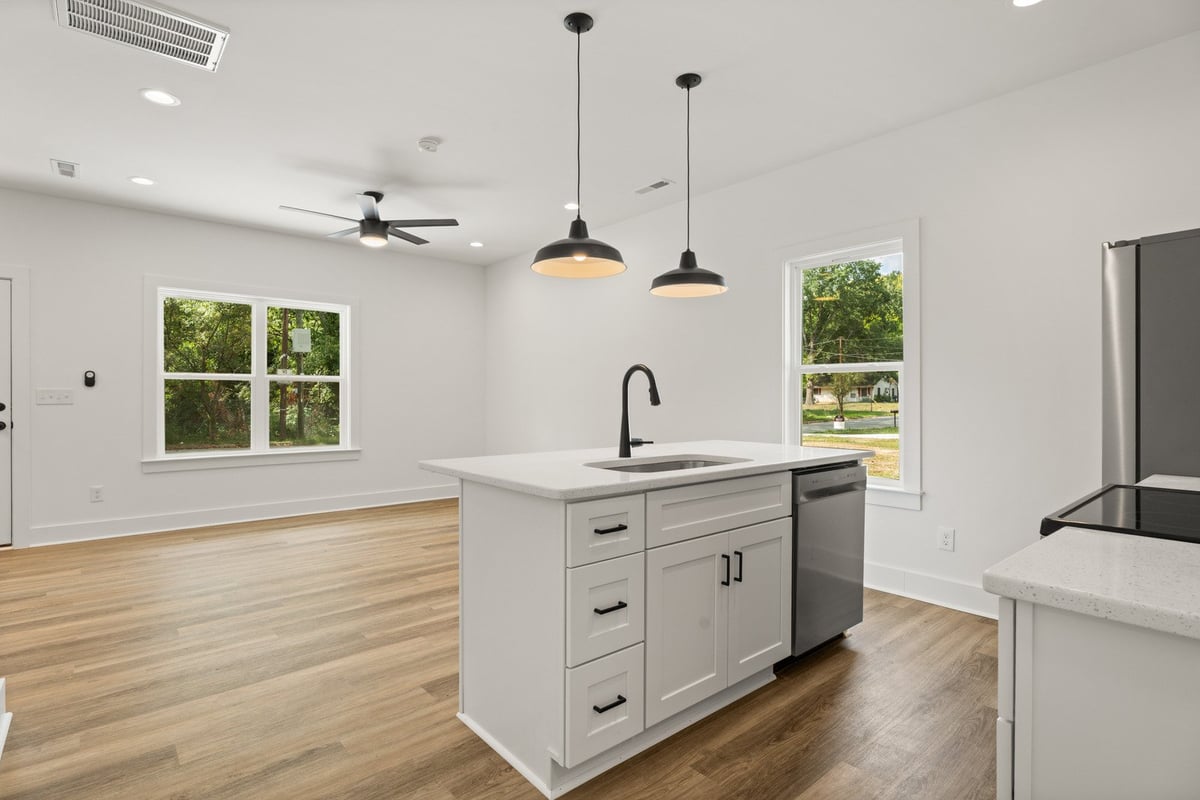
A home built for sale should make sense alongside its competition. Curb appeal, natural light, the kitchen, and the primary suite are useful places to examine that fit. The right specifications depend on the project’s location and expected buyer.
I would evaluate an upgrade by asking what problem it solves or what benefit it provides. An attractive feature may be worthwhile when it supports the overall home. Adding upgrades without a clear purpose can increase the budget without making the product more coherent.
The same discipline applies to size. More square footage adds construction scope. Work through whether the additional space makes the plan meaningfully better and whether the market evidence supports the proposed home.
Separate the essential decisions from the optional ones. A clear allowance for selections and a defined point for finalizing them can make the planning discussion more productive. When an upgrade is proposed, consider its effect on the whole home, the construction scope, and the intended rental or resale position before adding it.
Plan the handoff before the house is finished
A rental project needs coordination around management, leasing preparation, and the documents and equipment information the owner will need. A resale project needs coordination with the sales team on presentation, marketing, and closing readiness.
Discuss that handoff during planning. It helps the builder understand the client’s expectations and gives the owner time to arrange the people and services needed after construction.
For a rental, the owner should arrange the management and leasing team separately. LND Builder Services supports construction and the project services agreed for the engagement; leasing and ongoing property management are outside that scope. Identifying those responsibilities early helps everyone understand what must be ready when the construction work is complete.
If you want the option to rent or sell, evaluate both paths separately. A design that works for either still needs a realistic budget and market review for each outcome. Flexibility is useful when it has been considered deliberately.
Give the builder a clear brief
Bring us the property, intended use, proposed size, budget expectations, and target timeline. Share the input you have gathered from your agent or property manager. Those details help us discuss a construction scope that supports your goal.
LND Builder Services works with investors on rental and resale construction in the Triad. If you are considering a project, let’s start with what you want to accomplish and work toward the home that fits.
Discuss your project