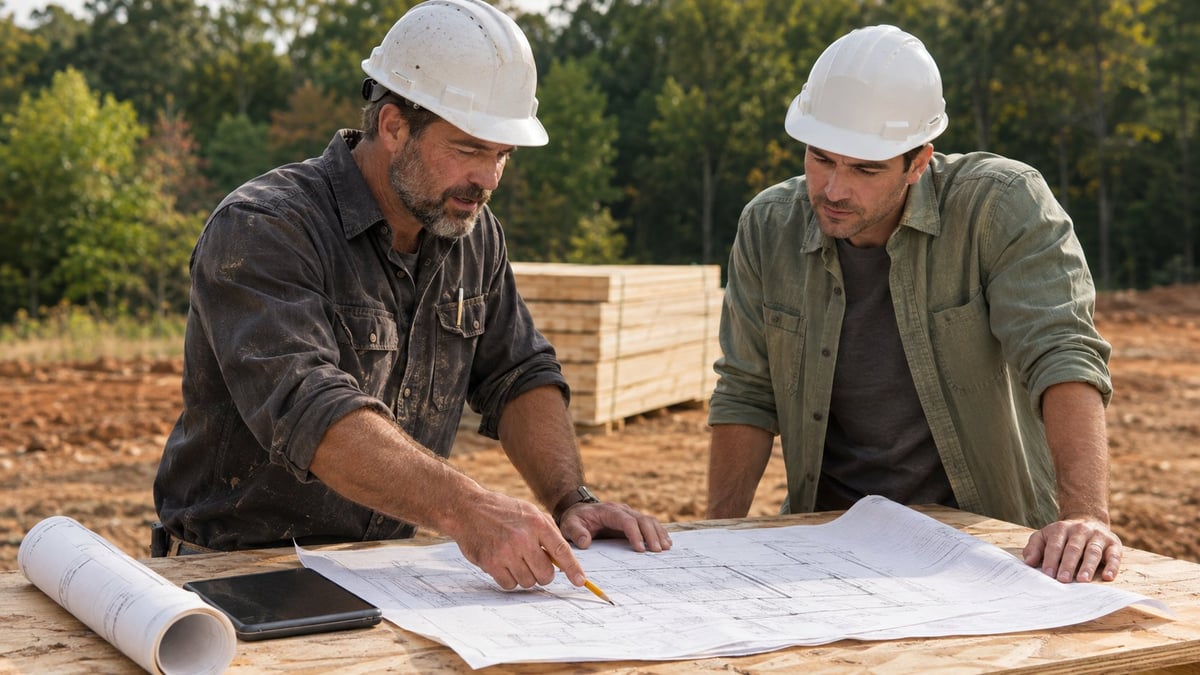
The cabinet supplier needs a final layout. The electrician needs confirmed fixture locations. The next crew needs the preceding work ready. Each task may be manageable on its own, but someone has to understand how they connect.
That coordination is a major reason to hire a builder for an investment home. A builder can turn a collection of separate decisions into a construction plan, bring the right people into the discussion and help you understand what needs attention next.
For me, clear expectations are the starting point. You should understand what is being built, who is responsible for the work and which decisions still belong to you.
Start with a project everyone understands
Before construction, the property, floorplan and intended use need to make sense together. A home you plan to sell and a home you intend to keep as a rental may call for different selections and a different handoff. Your builder needs that context to help define the work.
This is also the time to identify responsibilities. Who is coordinating site preparation? Which plans and finishes are included? What remains to be confirmed about utilities or approvals? Write down the answers and the open questions so they can guide the next conversation.
LND Builder Services offers construction or broader project support, with responsibilities defined around the engagement. Understanding the support available helps you identify what your project needs and which other professionals should be involved.
Connect the schedule to the work
A target completion date does not explain how the work will get there. A useful construction schedule connects activities, material lead times and the work that must happen before another task can begin. NAHB’s scheduling guidance identifies those dependencies and trade coordination as central parts of planning.
A builder can manage those handoffs across the project. That includes looking ahead to deliveries, coordinating crews and adjusting the sequence when conditions change. It gives an investor a clearer view of how an issue in one area may affect the next stage.
Weather, material availability and review schedules can still affect progress. Ask how the builder will explain a change: what caused it, which work it affects and what the revised plan is. That information is more useful than a date with no explanation behind it.
Make decisions before they hold up the work
You do not need to choose every finish at the first meeting. You do need to know when each decision is due and what information the team needs from you.
Consider a hypothetical kitchen change. You decide to move an appliance after the layout has been shared with the trades. That request may affect cabinets, electrical or plumbing work, and material orders. The builder can bring the relevant people together to review the implications before you approve it.
A decision list makes that process easier to follow. Record the item, available options, person responsible and date the answer is needed. For an investor balancing a build with other work, a short list of upcoming decisions gives the next meeting a clear purpose.
Give questions and changes a clear route
Agree on a main point of contact and how updates will reach you. An update should help you understand completed work, upcoming activity, open questions and anything requiring your approval. Ask who will respond when the answer needs input from a trade, supplier or designer.
Use that same communication route for changes. A conversation on site can be the start of a request, but the team needs a clear record of what was approved. Ask for the revised work and any price or schedule effect to be documented before it proceeds.
NAHB’s builder-selection guidance recommends discussing communication frequency and method early. The right arrangement is one you and the builder both understand and can use consistently.
Prepare for the handoff while construction is underway
The construction plan should connect to what happens after the home is finished. Discuss the walkthrough, how remaining items will be tracked and which documents and product information you should receive. NAHB’s construction-management resources include completion and closing checklists alongside its planning and quality tools.
For a home built to sell, coordinate with the sales team about what they need for the next stage. For a rental, arrange the management and leasing team separately. LND Builder Services supports rental construction; leasing and ongoing property management are outside its scope. Naming those responsibilities early helps the owner prepare for the transition.
Five questions to ask before you hire
- Who will manage the construction work and be my main contact?
- What does the proposed scope include, and what will I arrange separately?
- How will I know which selections and approvals are needed next?
- How are changes documented, priced and added to the schedule?
- What will completion and handoff involve for this project?
Listen for specific explanations. A builder’s value becomes easier to assess when you can see how the work will be organized and how you will participate. Clear scope, timely decisions and coordinated handoffs give both sides a practical basis for moving the project forward.
If you are considering a residential investment project in the Triad, discuss your project with LND Builder Services. Share what you want to build, where you are looking and whether you plan to sell or hold. You do not need to own land to start the conversation; we can discuss fit, scope and the next step.
Discuss your project