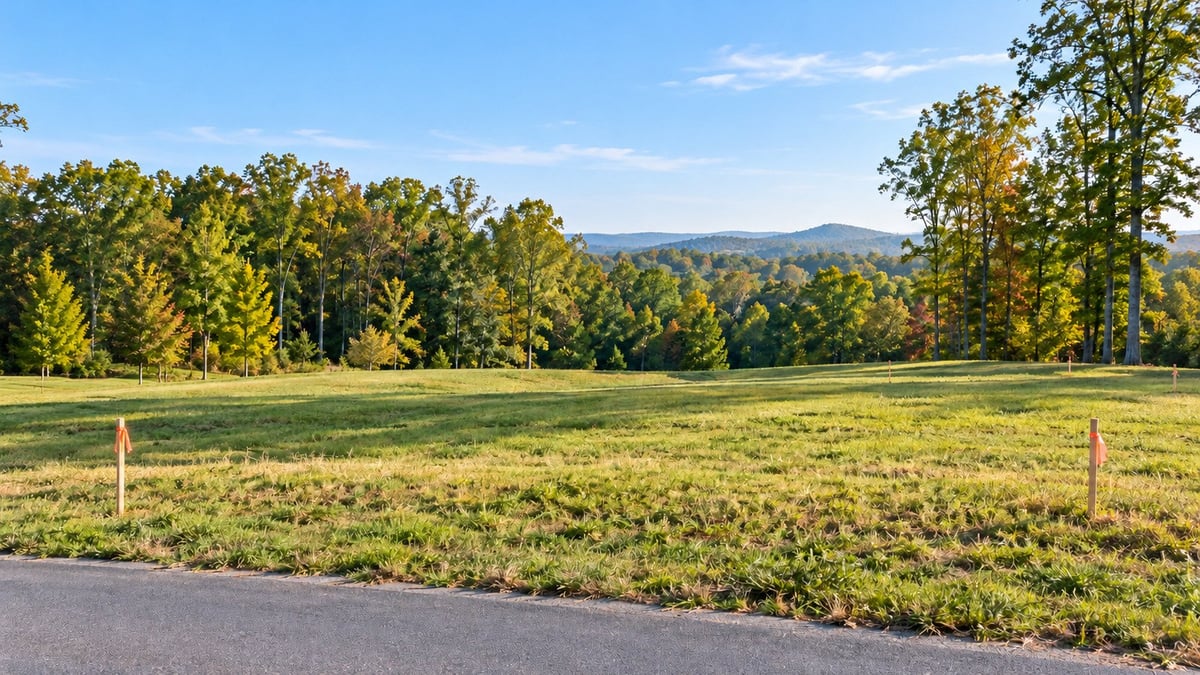
A lot can look like a good deal before anyone has worked out how to build on it. The asking price is attractive, there are houses nearby, and the listing says utilities are available. Those are reasons to investigate. They leave plenty of questions unanswered.
At LND Builder Services, we help investors think through those questions before construction. If you are considering land in the Triad, bring the builder into the conversation early. A preliminary review can help identify the work that needs to happen before you make a purchase decision.
Start with the intended project
Tell us what you want to accomplish. Are you building one home to sell, adding a rental to your portfolio, or exploring several homes on a larger parcel? What size home are you considering? What is your timeline?
Those answers affect the review. A lot might accommodate a house but have too little usable width for your chosen plan. Another might fit the plan comfortably while requiring site improvements that exceed your budget. We need to consider the property and the proposed home together.
A short project brief is enough to begin. Bring the address or parcel number, your intended use, any plan you are considering, and the information you already have. You do not need to have every answer, and you do not need to own the property before asking which questions should come next.
Establish where the home could sit
The parcel outline is only the beginning. Setbacks, easements, access, topography, and other restrictions can limit where construction is possible. A wide parcel may have a narrow usable building area. A corner lot can introduce considerations that are easy to miss when looking at an aerial image.
Start with available surveys, recorded plats, and local property information. Have the appropriate professionals confirm boundaries, title matters, and applicable requirements. Online maps are useful screening tools; they cannot settle every question about a property.
Think of the usable building area as the part of the property left after the relevant constraints have been considered. The house, porch, garage, driveway, and service areas all need room. Testing only the heated floor area can give a misleading impression of how comfortably the project fits.
Confirm the utility path
Ask what “utilities available” means for this particular lot. Where are the connections? Has the provider confirmed service? What work and fees are involved? Are there extensions, easements, or other approvals to resolve?
If the property needs septic, investigate that early. NC State Extension recommends evaluating soil suitability, the system that can work, the permit path, and installation and maintenance costs before purchasing land. The house, wastewater system, and any well must fit into a coordinated site layout. An attractive house plan cannot solve an unsuitable wastewater arrangement. [1]
Walk the property
A site visit helps turn map questions into practical construction questions. How will equipment enter? Where does water appear to move? How much clearing might be needed? Does the proposed house location create a difficult driveway or a significant foundation height difference?
Some issues require surveying, engineering, soil evaluation, or other investigation. The purpose of the first visit is to recognize those issues and decide what needs a closer look.
Keep a simple list of open questions after the visit. For each item, record what is known, who can confirm it, and whether it could change the purchase decision. A question about a boundary belongs with the appropriate survey or title professional; a question about service belongs with the utility provider. Separating those responsibilities helps the next conversation stay focused.
Build a preliminary total cost
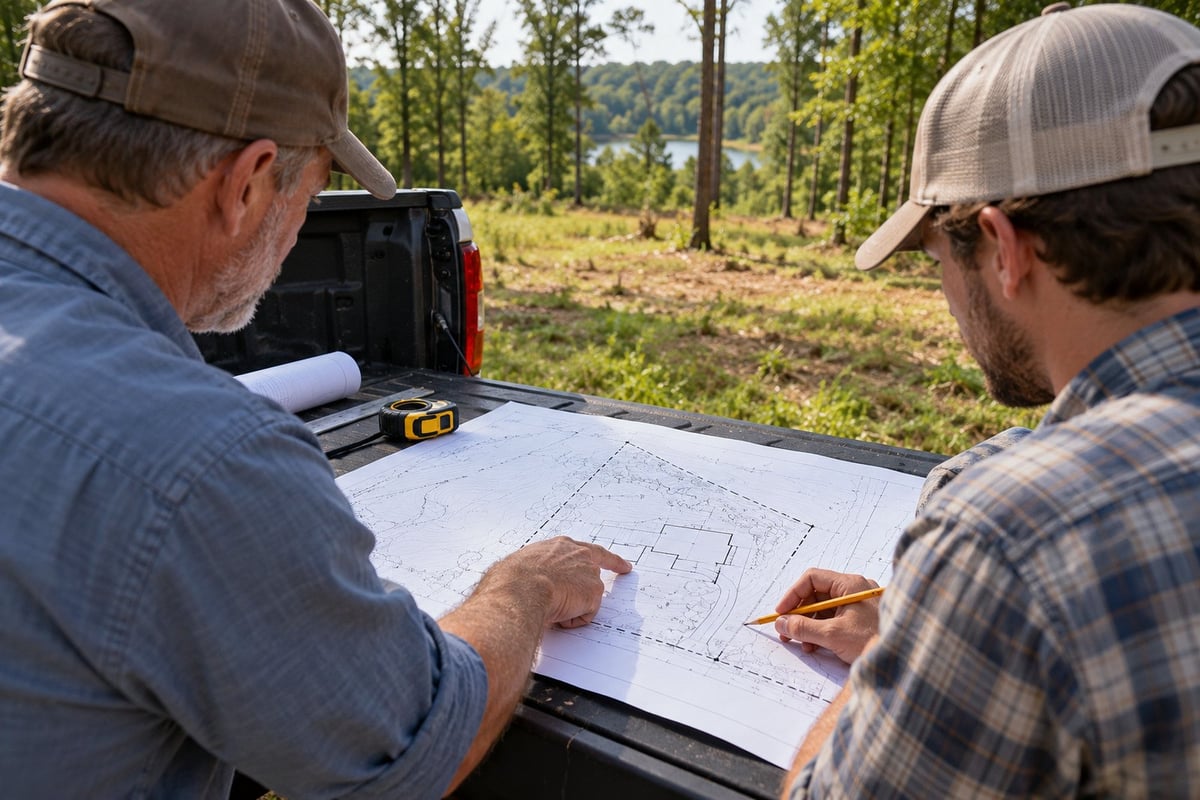
The land price and house price leave out important parts of the project. Clearing, grading, utilities, driveway work, professional fees, financing, and contingency need attention too. Keep confirmed quotes separate from preliminary allowances, and make the unresolved items visible.
The result of an early review might be a different floorplan, more investigation, a revised offer, or a decision to keep looking. Each is useful if it helps you make an informed choice before committing more money.
The useful outcome is a clearer decision. Before committing to the purchase, you should understand which assumptions still matter, what investigation would resolve them, and how a different answer could affect the proposed home. An early review is most valuable when there is still time to change the plan or the property being considered.
Considering a lot in Forsyth, Guilford, Davidson, Davie, or Alamance County? Send LND Builder Services the address or parcel number, any survey or plat you have, and your rental or resale goal. Let’s discuss the property before you buy it.
Discuss your projectSources
- NC State Extension — Investigate Before You Invest