
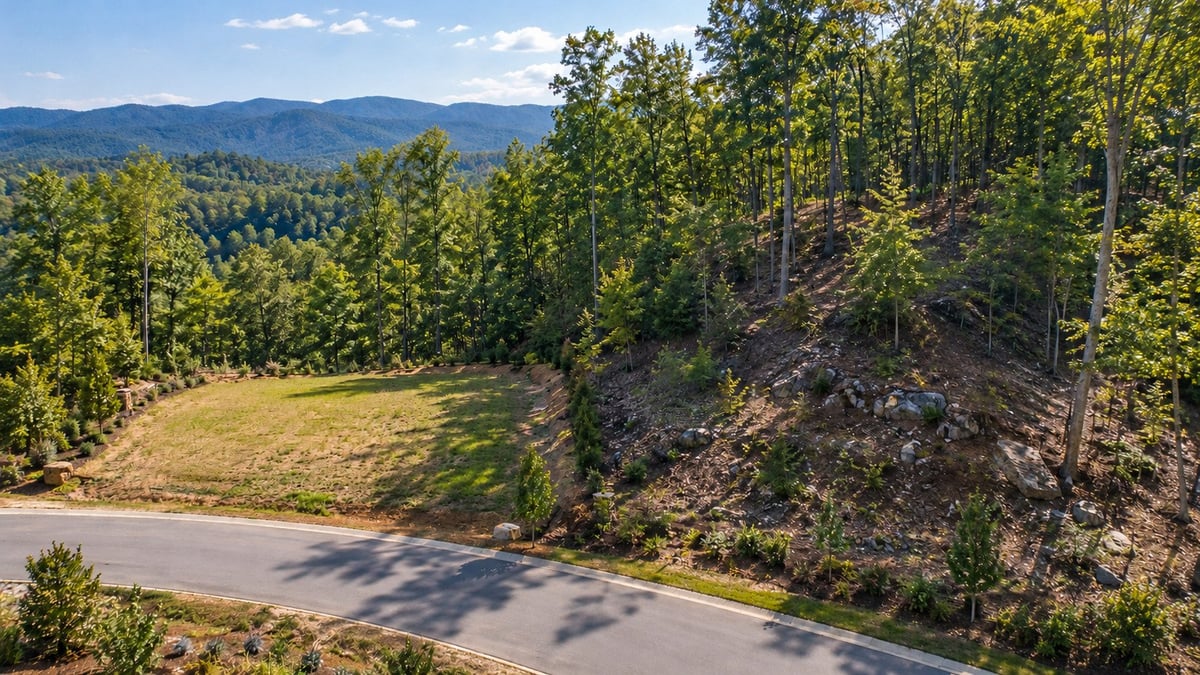
Two lots can sit on the same street and produce very different construction budgets. Even when the house plan is identical, the work required to prepare each site can change substantially.
That matters when an investor asks for a house price before a property has been evaluated. A useful answer needs a defined scope and a clear explanation of which site costs are included, excluded, or still being investigated.
The ground determines part of the work
Picture two hypothetical lots. One has convenient access, modest clearing, and a house location close to existing utility connections. The other slopes away from the street, has a longer driveway, and requires additional investigation of drainage and wastewater service.
The second property may still be worth building on. It simply needs a budget that reflects its conditions. Applying the first lot’s allowances to both properties would hide the difference until later.
These hypothetical sites show why preparation needs its own review. Compare the conditions that actually affect the proposed work. Similar acreage, neighboring addresses, or the same proposed floorplan can still lead to different clearing, grading, access, and utility requirements.
Clearing also involves more than cutting trees. Depending on the scope, stumps, disposal, access, and stabilization may need to be addressed. Grading involves understanding where soil must move, whether material must be imported or removed, and how the finished site will drain.
Foundation and driveway decisions are connected
The foundation approach should fit the home and site. Changes in elevation can affect excavation, foundation walls, steps, and the relationship between the house and garage. Those choices can also affect driveway length and slope.
A driveway should be considered while positioning the house. Moving the home may simplify one part of construction while adding cost elsewhere. Reviewing the layout as a whole gives the team a chance to compare those tradeoffs before work begins.
This is also why a change that looks small on a drawing deserves a full review. Moving the house farther from the road may affect the driveway and utility runs. Adjusting its elevation may change the work at the entry or garage. Ask the team to explain the connected effects before treating one isolated change as a saving.
Nearby utilities still need a scope
Seeing a water line, sewer structure, or power pole nearby is a starting point. Confirm the proposed connection with the provider and identify the work needed to serve the home.
The budget may need to account for connection fees, trenching, restoration, service extensions, or other site-specific work. A property using a well or septic system needs its own investigation and pricing. Treat these as separate scopes until there is enough information to combine them confidently.
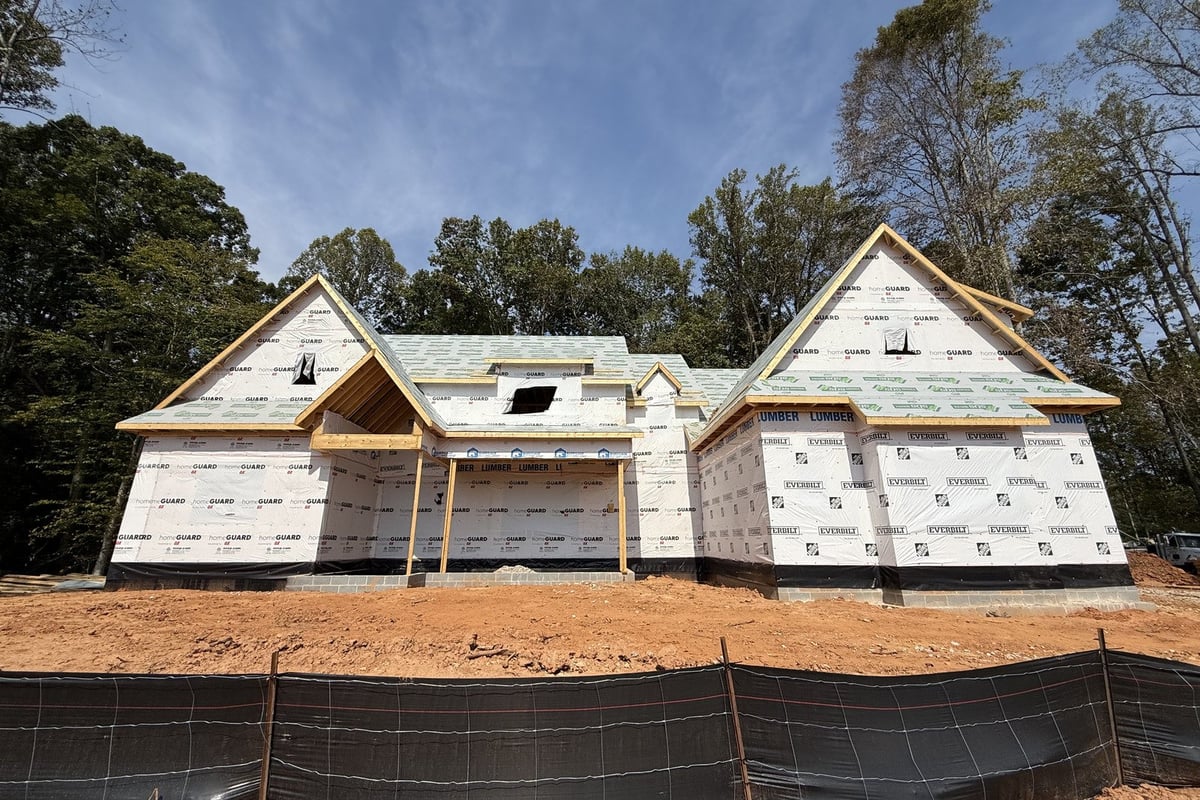
Compare estimates on the same basis
Before choosing between two construction proposals, ask what each covers. Does clearing include haul-off? Is the driveway allowance based on an actual layout? Are utility fees included? How are rock, unsuitable soils, or changes in scope handled?
A fixed-price agreement still needs a carefully defined scope. Review the inclusions, exclusions, allowances, and change process so you understand what the price represents. A lower number can be difficult to interpret when the underlying work differs.
I also want investors to understand the difference between an allowance and a quote. An allowance reserves money based on an assumption. A quote prices a defined scope, subject to its terms. As information improves, the budget should show which assumptions have been replaced with firmer information.
A useful comparison gives each major item a clear status: included in the defined work, excluded, carried as an allowance, or awaiting investigation. Ask what each allowance assumes and what information will replace that assumption. For unresolved ground conditions, understand the contract process for documenting and agreeing to changes before work proceeds.
Use site knowledge when evaluating the purchase
A lower land price can be offset by greater site costs. A more expensive lot may require less work before vertical construction starts. Compare the total project with a reasonable allowance for unresolved conditions.
Keep timing in the same discussion. A scope that depends on further design, provider confirmation, or approvals needs a sequence that reflects those steps. Two proposals may look similar on paper while relying on different assumptions about what will be ready when construction starts. Clarifying those assumptions helps you compare the proposed work as a whole.
At LND Builder Services, we want the site conversation to happen early enough to influence the decision. Send us the property information and the home you have in mind. We can discuss the likely scope, identify questions that need professional review, and help define the next step.
Discuss your project